
The sports calendar at the end of May features a density of competitions rarely seen outside of Olympic years. Roland-Garros is in full swing, the UEFA Champions League is approaching its conclusion, the Giro is rolling through mountain stages, and the NBA playoffs are offering high-level matchups. Following sports news under these conditions requires prioritizing information streams to not miss any highlights.
Sports coverage formats: raw score, video highlights, or editorial analysis
Not all sports news feeds are created equal. The fundamental difference lies in the granularity of the coverage provided. A score aggregator like Flashscore now structures its coverage around narratives (scorers, lineups, broadcasters) rather than just the bare result. This is a philosophical shift that brings live scoring closer to editorial content.
In contrast, generalist portals like Le Monde or Ouest-France operate on a section logic: sports information is just one segment among others, with variable depth depending on the discipline. The promise of comprehensiveness is not upheld sport by sport.
In between, platforms like Orange Sports focus on video highlights as a standalone editorial product. NBA game summaries in highlight format, for example, represent an intermediate format between the bare score and in-depth analysis. We observe that this positioning on short video caters to mobile consumption that favors visuals over text.
To explore angles on French football and club competitions, consulting all the asm vizu news on Va Y Avoir Du Sport allows for a more field-focused coverage.
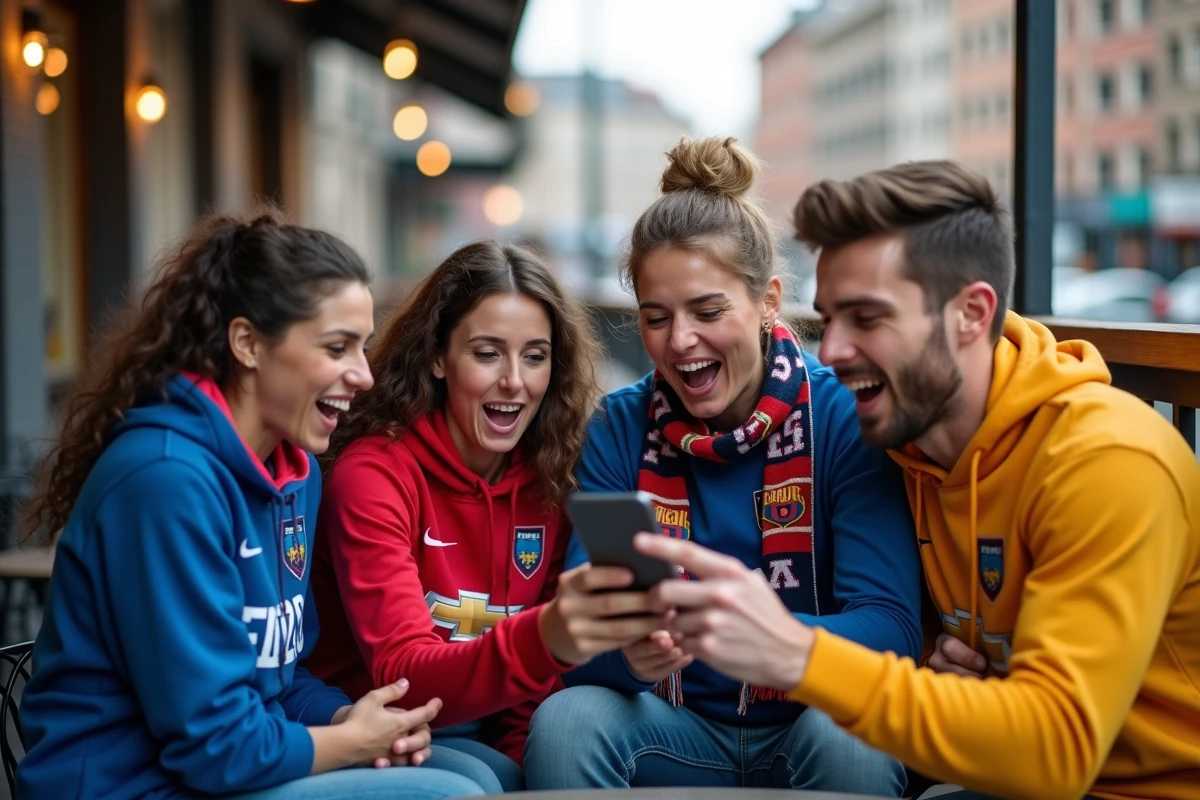
Roland-Garros and the Champions League: two events saturating the media space
Roland-Garros monopolizes tennis coverage with its men’s and women’s draws advancing simultaneously. The case of Moïse Kouamé illustrates the tournament’s dynamics well: specialized media are already questioning the emergence of a future star on the circuit. This type of narrative, built around a player’s trajectory rather than just a result, generates more lasting engagement than an isolated score.
The Champions League captures the attention of European football with high-profile matches that engage sports newsrooms for several days.
French club football is also experiencing its own tensions with the L1-L2 playoff between Saint-Étienne and Nice, which ended in a goalless draw in the first leg.
This coexistence of major competitions forces sports newsrooms to arbitrate their coverage. Long formats are reserved for post-match analyses, while continuous feeds absorb the flow of raw results.
NBA playoffs and Giro: following competitions outside football in real-time
The Oklahoma City Thunder leads its Western Conference Finals series against Victor Wembanyama’s Spurs. The Thunder’s lieutenants have compensated for their leaders’ shortcomings, a recurring tactical pattern in long playoff series.
The Giro, for its part, continues its mountainous course with decisive stages for the general classification. Cycling coverage traditionally suffers from a lack of attention compared to football and tennis, but specialized platforms maintain step-by-step tracking that retains a niche readership.
- In the NBA, highlight formats and advanced statistics (defensive impact, point differential by lineup) enrich the match reading beyond the final score
- Cycling benefits from GPS data and interactive stage profiles to make the race more readable in real-time
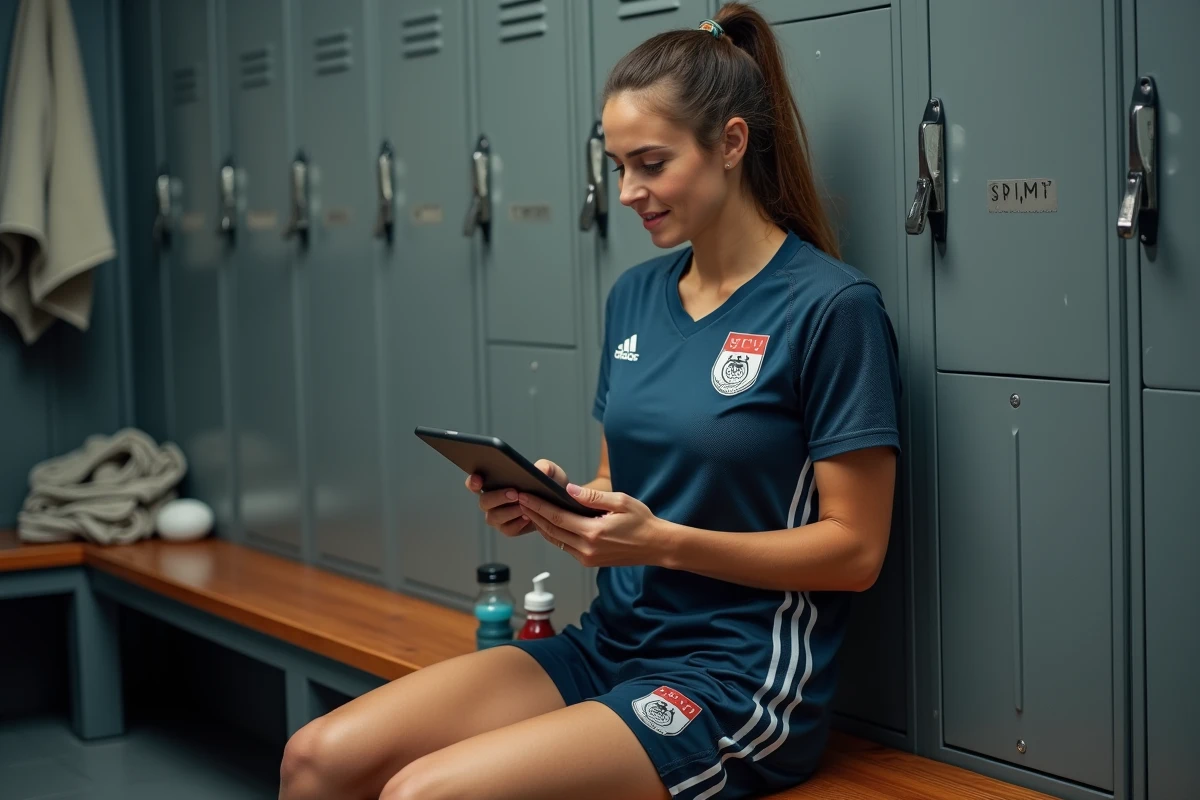
2026 World Cup: teams begin to unveil their rosters
The preparation for the North American World Cup is entering a concrete phase. The announcement of selections marks a pivotal moment in the football calendar, where each chosen or omitted name generates technical discussions about the proposed playing systems.
The selection lists reveal the tactical orientations of the coaches well before the first match. A player called up to an unusual position, a young player preferred over an aging veteran: these choices fuel analysis for several weeks.
For clubs, this period is also the summer transfer window. These roster changes restructure teams for the next season and feed a continuous flow of information between national and international competitions.
Choosing sources based on sport and desired format
We recommend cross-referencing at least three types of sources for comprehensive sports monitoring:
- A score aggregator structured by competition (football, tennis, basketball, rugby, hockey) for live tracking and team lineups
- A video-dominant platform for highlights and match summaries, particularly suited for basketball and football
- A specialized editorial media for tactical analyses, player profiles, and in-depth investigations on transfers
No single source covers the entire sports spectrum with the same depth. Generalist media treat sports as just one section among others, which mechanically limits coverage of less-publicized disciplines. Continuous sports news feeds prioritize volume over analysis. The combination of both remains the most reliable method to not miss a result or its context.