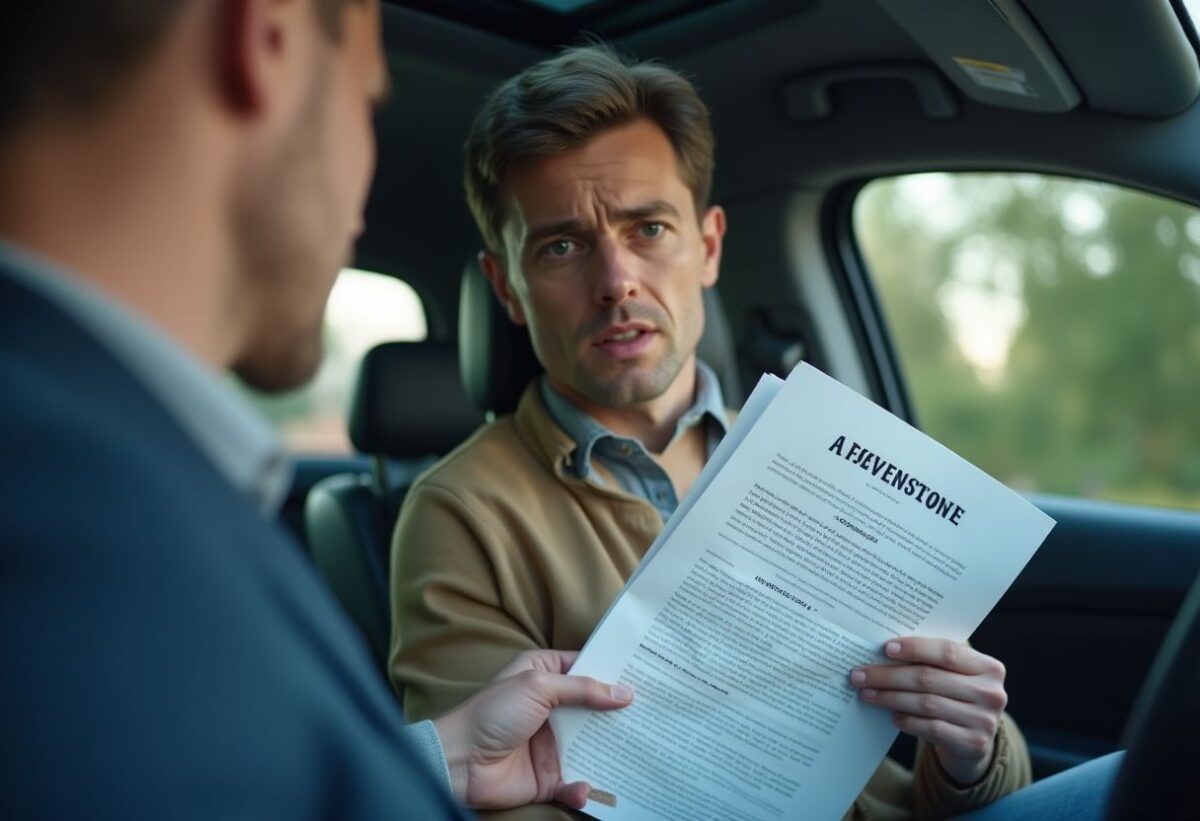
Car insurance contracts are full of clauses that can potentially limit your coverage. Understanding the common exclusions in these contracts is essential to avoid unpleasant surprises in the event of a claim.
Exclusions related to the driver
Undeclared driver
Failing to mention all potential drivers of a car can lead to serious complications. This omission can result in a denial of coverage during a claim. Insurers emphasize transparency to best adjust the premium amount. Therefore, declaring all drivers is crucial to ensure compensation in case of an accident.
Driving under the influence of substances
Accidents that occur while the driver is under the influence of alcohol or drugs are often excluded from coverage. Car insurance policies apply strict exclusion clauses to deter these risky behaviors. These exclusions are generally well specified in the contracts, highlighting the importance of adhering to traffic laws for optimal coverage.
Driver’s age and experience
Young drivers or those with little experience are often subject to restrictions. These limitations may include higher deductibles or exclusions of certain coverages. Car insurance contracts for these profiles require careful reading to avoid surprises during a claim.

Exclusions related to the vehicle
Use of the vehicle for unauthorized purposes
Using a personal vehicle for professional purposes without notifying the insurer can also lead to a denial of coverage. Car insurance contracts often stipulate that the vehicle must be used in accordance with what was initially declared. Car insurers take these parameters into account when calculating associated risks.
Condition of the vehicle
A poorly maintained or modified vehicle without declaration can result in a denial of coverage. Insurers expect owners to keep their car in good condition and to declare any modifications. This includes aesthetic or mechanical changes that could affect the vehicle’s safety.
Exclusions related to claims
Accidents caused intentionally
Damage caused intentionally, including insurance fraud, is obviously excluded. Insurers are vigilant against such behaviors and include specific clauses to deny compensation in cases of proven fraud. The law and the insurance code are clear on this matter.
Violation of traffic laws
Serious or repeated offenses, such as speeding, can lead to a denial of coverage. Many insurers take driving behavior into account when determining premiums and coverages.
Exceptional circumstances
Natural disasters or acts of vandalism may also be excluded, depending on the terms of the contract. Car insurance often offers specific coverages for these events but requires the driver to opt for additional protections.
To avoid these exclusions and ensure your coverage, careful reading of the car insurance contract is essential. Make sure to comply with the terms and conditions, and do not hesitate to compare offers to find the one that best meets your needs.
Understanding the exclusions of your car insurance contract is a guarantee of security. Good preparation and constant vigilance will help you avoid many inconveniences.