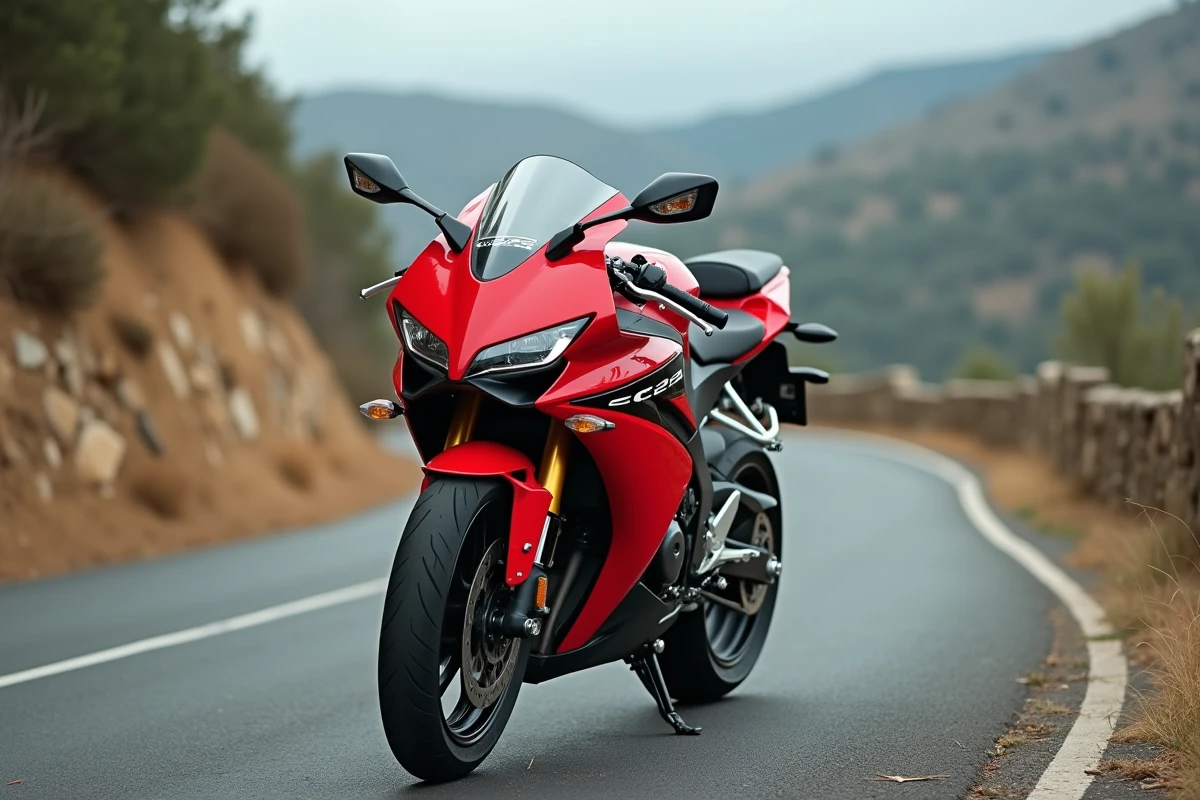
The Honda CBR1000F comes in two main versions identified by their chassis codes: the SC24, produced from 1987 to 1992, and the SC25, marketed from 1993 to 1999. Both share an inline four-cylinder engine of the same displacement, but the differences between them go far beyond the model year. Chassis, braking, ergonomics, and parts compatibility shape two motorcycles with distinct road behaviors.
Dual-CBS on the SC25: a braking system that changes daily riding
The most significant distinction between the two versions concerns the braking system. The SC24 uses a conventional braking circuit, with completely independent front and rear controls. The modulation relies entirely on the rider.
On the second-generation SC25 (from 1993-1994 depending on the markets), Honda introduced the Dual-CBS (Dual Combined Brake System). This system hydraulically connects the front and rear brakes through a distributor and a secondary master cylinder mounted on the left front caliper.
In practice, when the rider presses the rear pedal, part of the pressure is redistributed to the front. The right brake lever acts on the right front caliper and, via the distributor, on the rear. The result on the road is clear: braking is more stable and easier to modulate, particularly when riding two-up or with luggage.
For loaded touring use (top case, side bags, passenger), the Dual-CBS reduces the risk of rear wheel lock-up on wet pavement and limits excessive fork dive. On an SC24, reaching the same level of safety requires more experience and a finer touch on the lever. Comparing the two technical specifications of the Honda CBR1000F SC24 and SC25 side by side highlights this technical break.
Ergonomics and chassis geometry of the SC25: what changes for taller riders
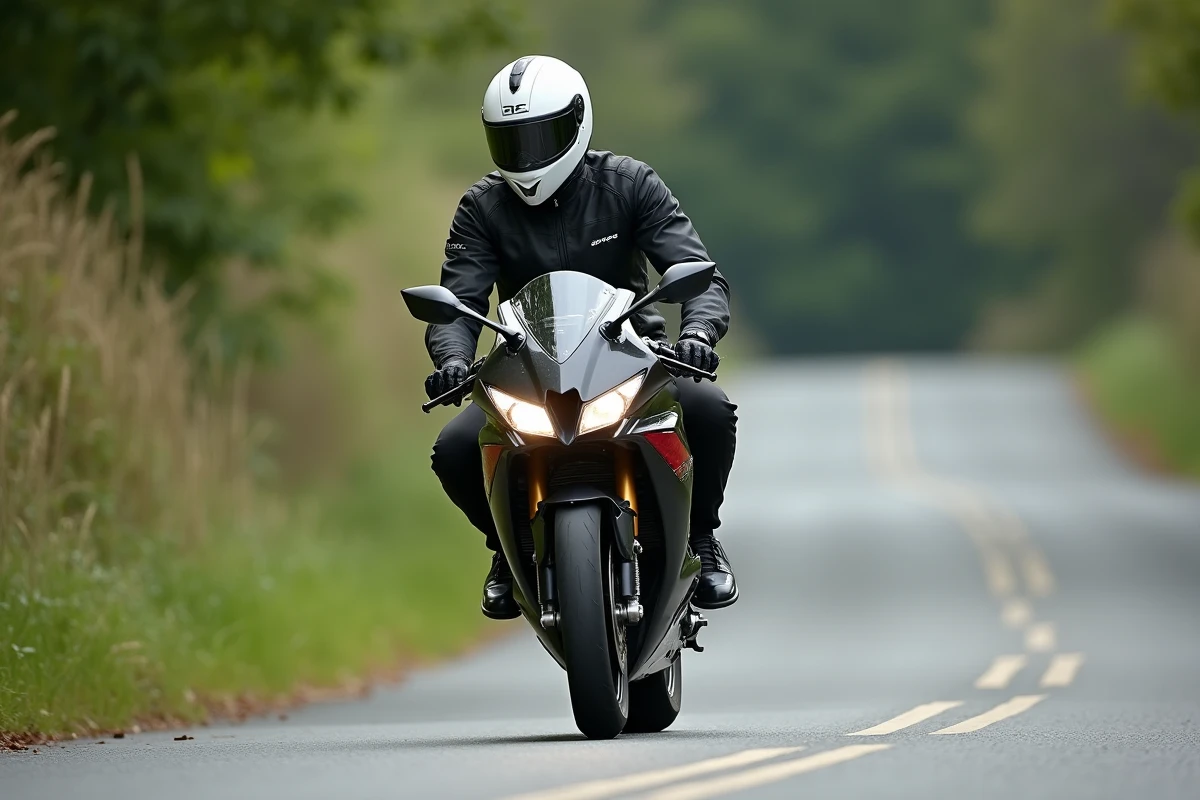
The SC25 benefits from a revision of the frame geometry and riding position compared to the SC24. The triangle formed by the seat, footpegs, and handlebars is slightly modified, with a somewhat more upright torso.
This repositioning is not trivial on long journeys. Feedback from tall owners (over 1.85 m) converges: the SC25 generates less fatigue on rides exceeding a few hundred kilometers. The forearms, shoulders, and lower back handle hours in the saddle better.
On the SC24, the position is a bit sportier, with the torso leaning more forward. For a short daily commute or a dynamic ride, this posture remains comfortable. As soon as the distance increases or a passenger gets on, the difference is noticeable.
- SC24: slightly engaged position, suitable for short to medium mixed rides, passenger less comfortable on very long trips
- SC25: raised riding triangle, better comfort for two-up and touring, marked advantage for riders over 1.85 m
- Both versions retain a relatively wide seat and an identical fuel tank capacity, but the weight distribution differs slightly in favor of stability on the SC25
Parts compatibility between SC24 and SC25: pitfalls to know
Both versions share a common engine base, which suggests that most parts are interchangeable. For some consumables (filters, spark plugs, chain, transmission kit), this is often the case.
However, the alternator is not always directly interchangeable between SC24 and SC25. Owners who have attempted the replacement report differences in wiring or mounting that prevent a plug-and-play installation. Confusion is common on spare parts websites, where references are sometimes mixed up.
This partial incompatibility also affects some electrical peripherals. The wiring harness evolved between the two generations, particularly to integrate the Dual-CBS and associated sensors on the SC25. Before ordering a used part for either version, checking the chassis code and manufacturer reference remains the only reliable method.
- Common engine parts (gaskets, rings, clutch) are generally compatible between SC24 and SC25
- The alternator, regulator, and part of the electrical harness differ by version
- The brake calipers and hydraulic circuit of the SC25 Dual-CBS have no equivalent on the SC24
- Always cross-check the chassis number with the Honda part reference before purchase
SC24 or SC25 on the road: which one to choose for what use
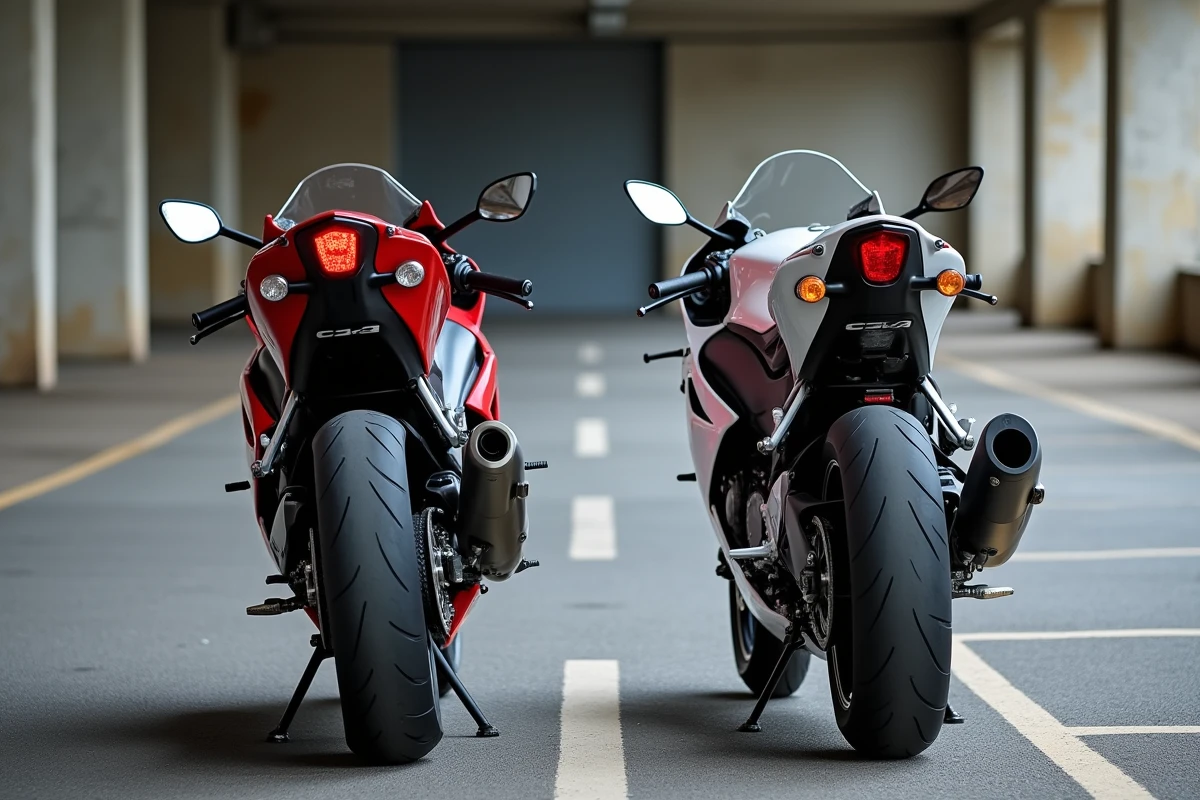
The choice between the two versions primarily depends on the type of journeys planned. The SC24, lighter in its braking management and riding position, is suitable for mixed city-highway use with a sportier touch. It also attracts those who prefer a non-assisted braking system, which provides more direct feedback.
The SC25 is aimed more at regular riders, long-distance enthusiasts, and those who frequently ride two-up. The Dual-CBS and revised ergonomics make it a more refined touring bike for covering miles with a load.
In the used market, both versions are found at very similar prices. The overall condition, mileage, and maintenance history matter much more than the chassis code in determining the value of a unit. The real question remains one of use: spirited daily commute or loaded grand touring, the answer naturally leans towards one generation or the other.