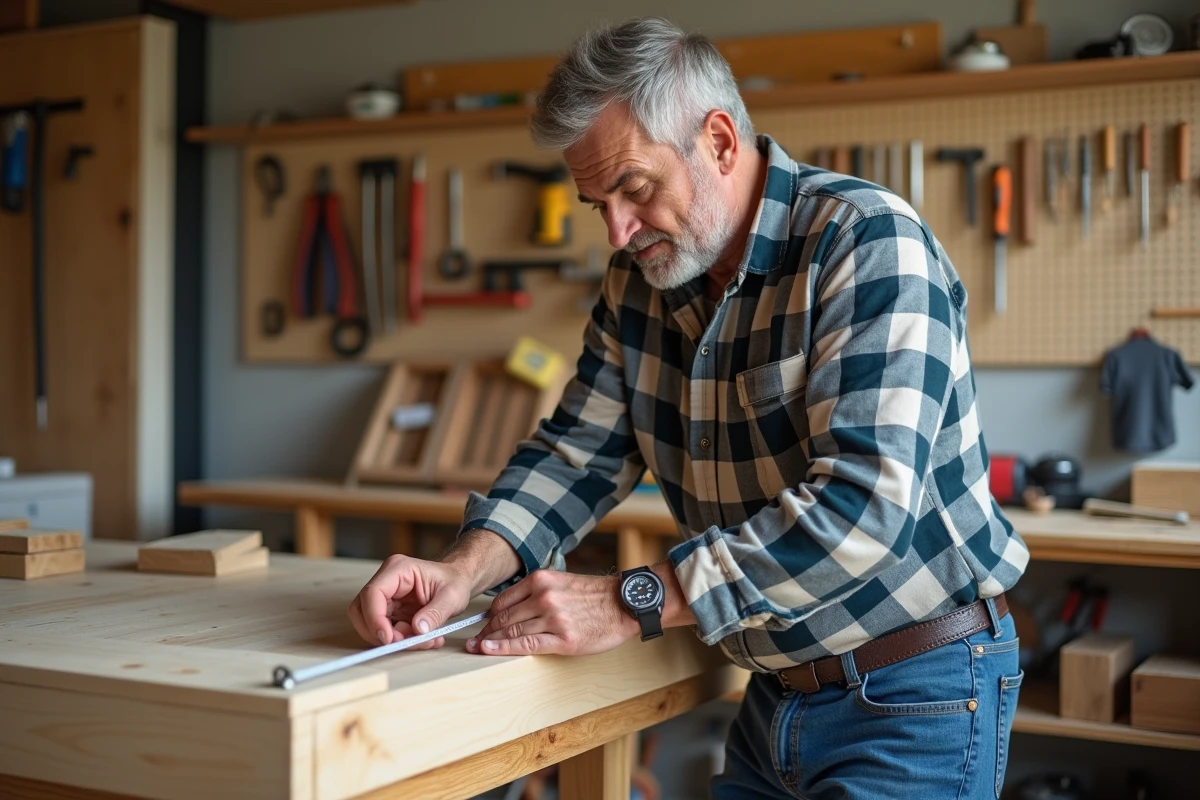
The all-tool rule doesn’t work: accumulating accessories does not guarantee success or safety in repairs. The most common mistake is underestimating preparation, while planning remains the determining factor to avoid surprises and save time.
Often, an effective solution hinges on an overlooked detail or a simplified technique. Some tips contradict traditional advice and help avoid unnecessary complications, even on tasks deemed complex.
Why DIY at home is more accessible than one might think
Home DIY has become a concrete alternative to the standardization of housing. To tackle simple projects, such as replacing a seal, assembling a shelf, or refreshing a wall, it is not necessary to have followed a technical course. Resources abound for the beginner DIYer. Forums, tutorials, videos, illustrated guides, and specialized books fuel the desire to try, relying on collective experience and the sharing of proven solutions.
New educational materials, available online or in bookstores, challenge the image of DIY as reserved for insiders. Now, anyone can get started: clear, step-by-step explanations break down the actions and help avoid the most common pitfalls. DIY stores, for their part, support the process by providing sound advice and equipment suited to each level, making the experience significantly more accessible.
Recycling and reuse of materials play a key role in this adventure. We create smartly, we make things last, and even children can get involved, always under supervision: repainting a piece of furniture, assembling a small playhouse, these are all opportunities to discover the joy of creating together. Learning is not limited to acquiring technical skills; it is also about building self-confidence, personalizing one’s space, and feeling the satisfaction of a completed project.
To avoid getting lost in the abundance of tips, the blog of DIY enthusiast Monsieur Bricoleur stands out as a reliable ally. Designed by experts, it offers practical advice and tested tips, guiding step by step from small introductory tasks to more ambitious renovations. This collective dynamic strengthens an open, vibrant DIY culture, where every experience counts and enriches the next.
What are the essential first steps to start without stress
Forget improvisation: when approaching DIY tasks, organization makes all the difference. Before starting, it is better to prepare your space, gather your tools, and check their condition. A well-organized workshop and tools in good condition make work safer and more efficient. Among the essentials, consider the drill-screwdriver, hammer, screwdrivers, hand saw, spirit level, tape measure, pliers, tongs, utility knife, file, rasp, and adjustable wrench. Investing in reliable equipment minimizes fatigue, avoids accidents, and increases precision at every step.
Here are some fundamental principles to keep in mind to start on the right foot:
- Safety: always wear protective goggles and appropriate gloves. In the presence of dust or solvents, add a filtering mask. Secure the work area: keep children and pets away, protect furniture, and turn off the power supply before working on any appliance.
- Tool maintenance: after each use, clean and store each accessory carefully. A well-maintained tool remains effective and will serve you for a long time.
Materials also deserve special attention. Prepare them in advance, adapting your actions depending on whether you are working with wood, PVC, or metal. Don’t hesitate to consult the recommendations of the INRS for risk prevention, or those of the ANAH for renovation questions. An organized space, precise planning, and a good understanding of technical actions make the project smoother, even during a first experience.
For each step, Monsieur Bricoleur’s blog is full of detailed advice: diagrams, explanations, and practical tips are there to support you and clear doubts as you progress through your projects.

Concrete tips to succeed in your DIY projects and gain confidence
You don’t learn home DIY in a day. It’s better to start with accessible projects: replacing a faucet seal, hanging a curtain rod, installing a wall shelf. Each success, no matter how modest, builds confidence, while hesitations help refine your technique. These first DIY projects pave the way for more ambitious endeavors.
To progress, adopt these reflexes:
- Prepare each step: before diving in, consult a tutorial or a practical guide, then gather everything you need. Diagrams, photos, and videos facilitate understanding of the correct actions.
- Participate in specialized forums: ask a question, describe your problem, exchange ideas with other enthusiasts. These communities are treasure troves of tips and experiences, very useful for avoiding pitfalls.
- Prioritize safety: never neglect appropriate equipment or safety rules. Some tasks, such as electrical work or structural modifications, are best left to professionals.
- Emphasize recycling: collect, repurpose, and reuse materials. DIY is also about being creative and economical while reducing environmental impact.
A professional result does not always come on the first try. Knowing how to correct, adjust, and start over is part of the process. Patience, more than perfection, distinguishes the amateur who progresses. DIY projects go beyond simple repairs: they open the door to personalization, creativity, and give each space its unique touch. Ultimately, it is the satisfaction of a job well done that leaves a lasting mark in the home.